
Why Does My Kitchen Sink Gurgle at Night?
If your kitchen sink starts making strange gurgling noises at night, it can be easy to ignore at first. The house is quiet, the sound seems to come out of nowhere, and because the sink may still be draining, it is tempting to assume it is nothing serious. But if you have found yourself asking why does my kitchen sink gurgle at night, there is usually a reason behind it.
In most cases, a gurgling kitchen sink is a sign that air is moving through your drainage system in a way it should not be. That can happen because of a partial blockage, a venting issue, a problem further down the drain line, or even pressure changes caused by other appliances or shared pipework. Night-time often makes the issue more noticeable because the home is quieter, water usage changes, and sounds that would be missed during the day suddenly stand out.
The good news is that a gurgling sink does not always mean a major repair is needed. In many cases, it is an early warning sign rather than a full-blown drainage emergency. Still, it is not something to brush off completely. The earlier you understand what is causing it, the easier it is to stop a small issue turning into a blocked sink, bad smells, or wastewater backing up into your home.
In this guide, we will break down exactly why your kitchen sink gurgles at night, the most common causes, what signs to look out for, what you can try yourself, and when it is time to get a drainage professional involved.
What Does a Gurgling Kitchen Sink Actually Mean?

A gurgling kitchen sink usually means that air is trapped or being pulled through water somewhere in the drainage system.
Your pipework is designed to move both water and air smoothly. When everything is working properly, wastewater flows away and air moves through the system without making much noise. But if part of the system is restricted or not venting properly, air can no longer travel as it should. Instead, it gets forced through standing water in the pipes or around the plughole, which creates that bubbling, gurgling sound.
That noise is not really the problem itself. It is more of a symptom. In other words, your sink is not gurgling for no reason. It is reacting to something going on deeper in the pipework.
This is why a gurgling sink can sometimes be the first clue that:
a blockage is starting to build
the waste pipe is not venting properly
there is an issue further down the line
another appliance is affecting pressure in the system
If the sink is gurgling regularly, the drainage system is telling you that something is not flowing or balancing the way it should.
Why It Often Happens at Night
You might be wondering why your gurgling kitchen sink might seem worse at night. In reality, there are a few good reasons why night-time makes the issue more noticeable.
The first is simple: your home is quieter at night. During the day, background noise from conversation, appliances, traffic, and normal activity can easily mask subtle plumbing sounds. Once everything settles down, even a small gurgle from the sink can sound loud and unusual.
The second reason is that water usage patterns change at night. If someone runs the dishwasher in the evening, uses the washing machine later in the day, or takes a shower upstairs before bed, those changes in water flow can affect pressure in connected pipework.
The sound may show up in the kitchen sink even if the kitchen sink itself is not being used at that moment.
In some homes, especially:
older properties
flats
terraced houses
semis with shared or closely connected drainage routes
the issue can also be linked to shared drainage systems or external pipework. Water moving through the system elsewhere can displace trapped air, and your sink may become the point where that air escapes.
Night-time gurgling is not always a sign that the problem only exists at night. More often, it means the underlying drainage issue is there all the time, but the conditions at night make it easier to hear.
The Most Common Causes of a Gurgling Kitchen Sink
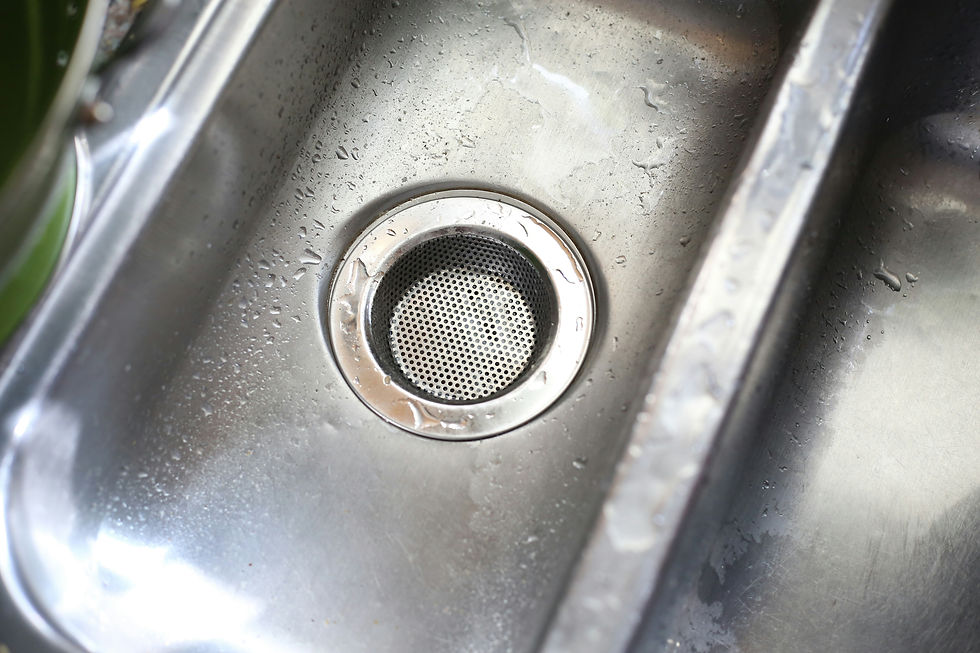
If you are wondering why your kitchen sink gurgles at night, these are the most common causes.
Partial Blockage in the Waste Pipe
This is one of the biggest culprits.
Kitchen sinks deal with a lot of material that can gradually build up inside the pipework, including:
grease
fat
oil
soap residue
food debris
Even if you are careful, small amounts of this material can stick to the inside of the waste pipe over time. As the pipe narrows, water flow becomes more restricted and air struggles to move properly through the system. That is when the sink starts to gurgle.
A partial blockage does not always stop the sink from draining completely. In fact, many people notice the noise long before they notice a major slow-draining problem. That is why the gurgling often acts as an early warning sign.
Blocked or Poorly Ventilated Pipework
Your drainage system needs ventilation to work properly. Vent pipes help balance pressure as wastewater moves through the system.
If the ventilation is blocked, damaged, or not functioning properly, air can get trapped. When that happens, the pressure imbalance can force air back through the water in your sink trap, creating the gurgling noise you hear.
This kind of issue is easy to overlook because most homeowners naturally assume the problem is a simple blockage in the sink itself. In reality, the trouble may be higher up or further along in the system.
Problems Further Down the Drain Line
Sometimes the kitchen sink is not the root of the problem at all.
The actual restriction may be:
further down the internal waste pipe
in an outside drain
in the main drain line
in a shared section of pipework
When that happens, the kitchen sink becomes the place where symptoms show up first. You hear gurgling at the sink, but the true cause sits deeper in the drainage system.
This is an important point because it explains why DIY fixes do not always work. You may clean the plughole and trap, but if the issue is further down the line, the noise will keep coming back.
Washing Machine or Dishwasher Discharge
Kitchen sinks often share pipework with dishwashers and, in some homes, nearby washing machines. When these appliances empty water quickly, they create sudden changes in flow and pressure.
If the pipework is partially blocked or poorly vented, that surge of water can force trapped air upward, producing a gurgling sound at the sink. This is one reason the noise may feel random. In reality, it may line up with an appliance cycle rather than the sink itself being used.
If your sink gurgles at night, think about whether:
the dishwasher tends to run in the evening
the washing machine is on a later cycle
the noise happens shortly after another appliance drains
Early Signs of a Developing Drainage Problem
In many cases, a gurgling sink is not the main event. It is the warning shot before a bigger problem develops.
Today it might just be a noise. A few weeks later, the sink may start draining more slowly. Then you may notice smells, standing water, or even backing up into the basin.
That is why it is worth taking seriously. The earlier the issue is addressed, the more likely it can be fixed quickly and without more extensive work.
Signs It Is More Than Just a Noise
A kitchen sink gurgling at night is worth paying more attention to if you are also noticing any of the following:
the sink is draining more slowly than usual
unpleasant smells are coming from the plughole
water backs up briefly before draining away
the gurgling is getting louder or more frequent
other fixtures in the home are making similar noises
outdoor drains seem slow or full after water use
If more than one of these symptoms is showing up, it becomes much less likely that the problem is harmless. At that point, there is usually a real restriction or airflow issue somewhere in the drainage system.
Is a Gurgling Sink Something to Worry About?

Not always urgently, but it should not be ignored.
A gurgling kitchen sink does not necessarily mean you need emergency drainage repairs. In many cases, it is caused by a minor blockage or early-stage build-up that can be sorted before it becomes severe.
The risk comes from leaving it too long.
A drainage issue that starts with occasional gurgling can develop into:
a fully blocked kitchen sink
foul odours from stagnant waste
slow drainage across multiple fixtures
wastewater backing up into the property
more expensive repairs if the issue worsens
The safest way to think about it is this: a gurgling sink is often an early indicator that your drains are not working properly. It may not be a disaster today, but it is a sign worth acting on before the situation becomes more disruptive.
What You Can Try Yourself
There are a few sensible steps you can take before calling in professional help.
Flush With Hot Water
If the issue is caused by grease build-up, flushing the sink with hot water can sometimes help loosen minor residue. This is not a permanent fix, but it can be a useful first step.
Clean the Plughole and Trap
Remove any visible debris around the plughole and, if you are comfortable doing so, check the trap underneath the sink. Food waste and sludge often collect here, and clearing it can improve flow.
Avoid Chemical Drain Cleaners
Chemical cleaners are often marketed as an easy fix, but they are not always effective for deeper or more stubborn restrictions. In some cases, they can also be harsh on older pipework. They may mask the issue without solving the real cause.
Pay Attention to Patterns
Try to notice when the gurgling happens. For example:
only after the dishwasher runs
after someone showers upstairs
only late at night
after heavy rain
alongside slow drainage
That pattern can help narrow down whether the issue is local to the sink or part of a wider drainage problem.
When to Call a Drainage Professional
You should get professional help if:
the gurgling keeps happening
the sink is draining slowly
bad smells are developing
other drains are being affected
DIY steps have not solved the problem
you suspect the blockage is further down the system
This is where proper diagnosis matters. A recurring gurgling sink is often a sign that the problem is not just sitting near the plughole. It may be deeper in the pipework or linked to the overall drainage layout of the property.
How a Professional Will Diagnose and Fix It
A drainage specialist will look beyond the noise and focus on finding the real cause.
That may involve:
checking the kitchen waste pipe
assessing connected appliances
inspecting outdoor drains
carrying out a CCTV drain survey to see inside the system
using high-pressure jetting to clear built-up debris and restore full flow
If the issue turns out to be caused by a deeper blockage, external drain issue, or pipe defect, professional equipment makes a huge difference. Rather than guessing, the problem can be identified and dealt with properly.
How to Prevent It Happening Again
Once the problem is sorted, a few habits can reduce the chances of it coming back:
avoid pouring grease or oil down the sink
scrape food waste into the bin before washing up
use a sink strainer to catch debris
run hot water after heavy sink use
keep an eye on early warning signs like slow draining or smells
consider occasional drain maintenance if the property is older or prone to blockages
Final Thoughts
If you have been asking why does my kitchen sink gurgle at night, the answer is usually that your drainage system is struggling with airflow, water flow, or both. In many homes, the cause is a partial blockage, poor ventilation, or a problem further down the line that shows up first at the kitchen sink.
It might seem minor at first, especially if the sink still drains, but gurgling is often the first sign that something is starting to go wrong. Acting early puts you in a much better position. It is usually easier, cheaper, and far less disruptive to deal with a drainage issue before it turns into a full blockage.
A quiet gurgle at night may not feel urgent, but it is worth paying attention to. The sooner you identify the cause, the sooner you can get your kitchen sink and drainage system back to working the way they should.
If you are dealing with ongoing sink noises, bad smells, or signs of a blocked drain, GSB Drainage can help identify the cause and get things flowing properly again. The aim should always be to fix the underlying issue, not just quieten the symptom for a few days. Contact us today for a free consultation.


Comments